Category: Interest Pieces

The Full “truth-telling” 26 page Uluru Statement from the Heart
Recently, a freedom of information (FOI) request uncovered the full 26 page “Uluru Statement from the Heart,” which goes well beyond the “one A4 pager, read in a few minutes” document to which the Prime Minister, Mr Albanese always refers.
Continue Reading
Winston Churchill’s rousing wartime speeches
we shall fight on the seas and oceans, we shall fight with growing confidence and growing strength in the air, we shall defend our Island, whatever the cost may be, we shall fight on the beaches, we shall fight on the landing grounds, we shall fight in the fields and in the streets, we shall fight in the hills; we shall never surrender
Continue Reading
Elizabeth I’s speech at Tilbury – 9 August 1588
Let tyrants fear. I have always so behaved myself that, under God, I have placed my chiefest strength and safeguard in the loyal hearts and good-will of my subjects
Continue Reading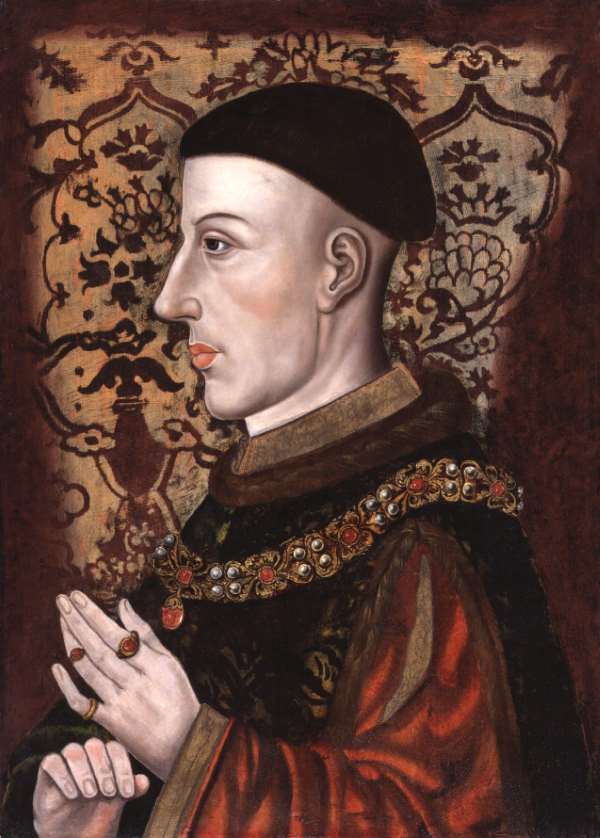
The St. Crispin’s Day speech – Henry V
If we are mark’d to die, we are enow.
To do our country loss; and if to live,
The fewer men, the greater share of honour.
God’s will! I pray thee, wish not one man more.
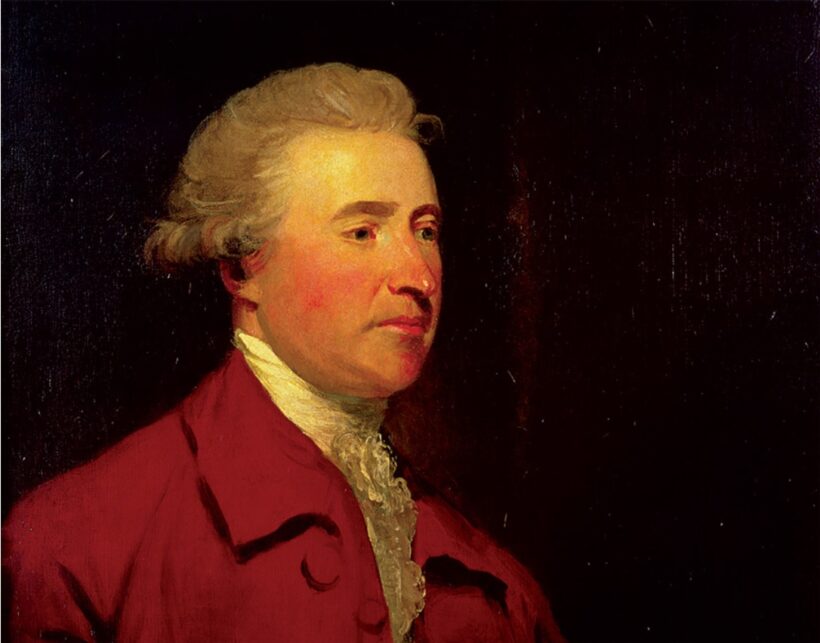
Edmund Burke – Father of Modern Conservatism
Burke did not oppose liberty; he just had a different view on how it was best realised. Liberty based on centuries of evolution of the common law and social norms was superior to the abstract French Rights of Man.
Continue Reading
Communism, Chapter 7: The Long March through the Institutions
In the 1930s in Italy, an imprisoned Communist, Antonia Gramsci, was writing his “prison papers” opining that the dismantling the key cultural institutions, including the family, was necessary before Communism could take hold. Rudi Dutschke, a German Neo-Marxist in the late 1960s, followed on with this theme declaring that revolution would not succeed by violent over-throw, but by subverting society through “a long march through the institutions of power;” education, media, civil service, and judiciary.
Continue Reading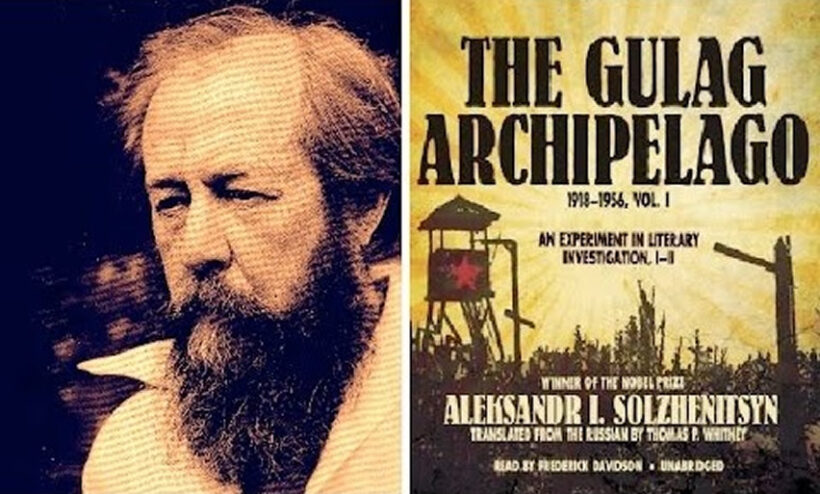
Communism, Chapter 6: The Gulag Archipelago
Solzhenitsyn’s estimate of death toll across the Soviet Union due to all the atrocities of Lenin and Stalin was of 60 million killed (other estimates put it at at least 20 m).
“Ideology—that is what gives evildoing its long-sought justification and gives the evildoer the necessary steadfastness and determination.”
Continue Reading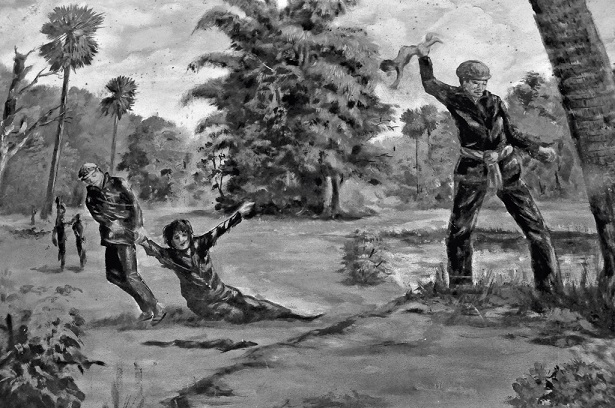
Communism, Chapter 5: Pol Pot and the Khmer Rouge
It was a thorough reset; money and private property were abolished, cities emptied, families separated, religion forbidden, and rural collectives formed. Books were burned and the wearing of glasses was criminalised.
Continue Reading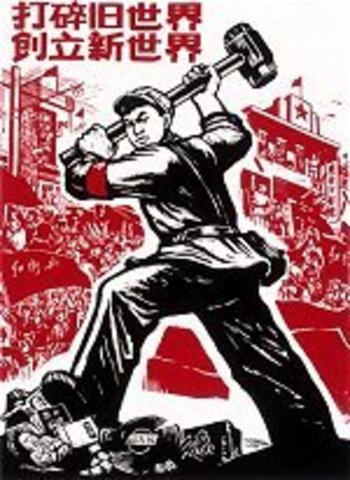
Communism, Chapter 4: Cultural Revolution
Groups of young people known as Red Guards struggled against authorities at all levels of society, setting up their own tribunals. It is estimated that 100,000s if not millions died. The Police turned a blind eye to the Red Guard beating bourgeois elements to death. Mao is quoted as saying,
“China is a populous nation, it is not as if we cannot do without a few people.”

Communism, Chapter 3: Stalin’s Terror
In Chapter 3 of a condensed history of the Terror of Communism, the consequences of concentrating power in one person are examined. After the death of Lenin, a former executioner of the party assumed power, leading to three decades of terror. As one example, in 1932 a terror-famine was unleashed on Ukraine causing 3.5 million deaths.
Continue Reading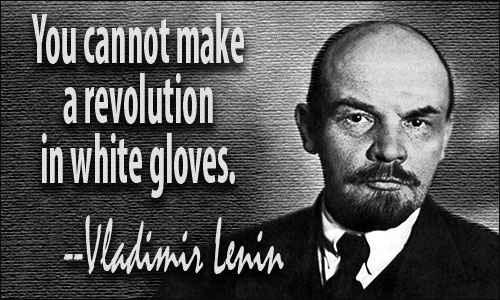
Communism, Chapter 2: Marxist-Leninism
This is chapter 2 in the condensed history of Communism. This week, the rise of the totalitarian state “the dictatorship of the proletariat” as a means of transitioning to the workers’ Utopia a.k.a. Leninism.
Continue Reading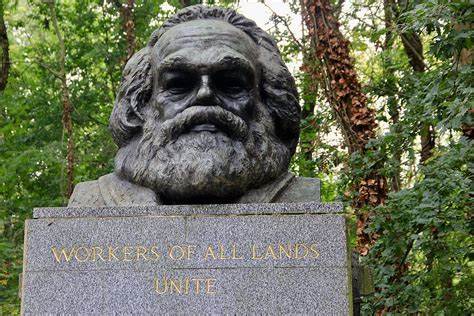
Communism, Chapter 1: A really bad idea
The first chapter in a condensed history of Communism, its terror, and its death toll.
Continue Reading
Heresies Ep. 8 The War on Our History
The New Culture Forum presents a thoughtful discussion and description of the ongoing cultural revolution and the weaponising of the history of Western civilisation.
Continue Reading